Home Geriatric Assessment in Sheffield: Why Home Visit Work Better for an Older Adult

Home geriatric assessment Sheffield is often the best way to understand the health problems older adults face in their daily lives.
Why clinic assessments sometimes miss the full picture
When an older person becomes unwell or begins to struggle at home, the usual approach is to arrange a clinic or hospital appointment. While clinic assessments are useful, they often provide only a limited snapshot of the patient’s health.
Older adults rarely have a single problem. Most have multiple medical conditions, medications, mobility issues, and social factors affecting their wellbeing.
A clinic visit may focus mainly on one symptom. But ageing is rarely that simple.
This is where a home-based geriatric assessment can reveal much more.
Seeing the patient in their real environment
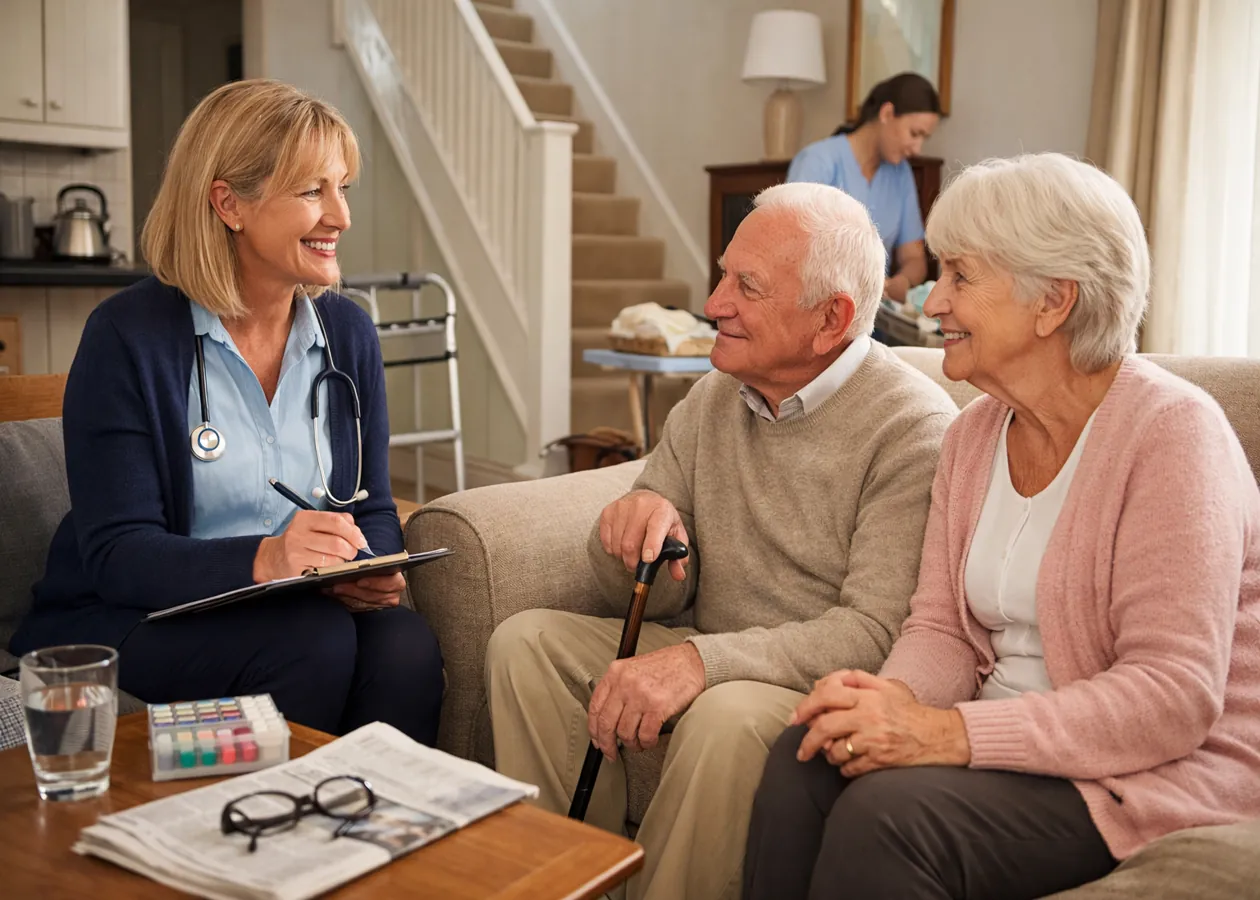
The most valuable part of a home visit is that the doctor can observe the patient in the environment where they actually live.
This provides insights that are impossible to obtain in a clinic room.
During a home assessment, a geriatrician may observe:
- How the patient moves around the house
- Whether there are fall hazards such as loose rugs or poor lighting
- How medications are organised
- Whether the kitchen and daily tasks are being managed safely
- Signs of frailty, weight loss or neglect
These observations often provide critical information about the patient’s health and independence.
Understanding mobility and fall risks properly
Falls are one of the most common reasons older adults lose independence.
In a clinic, a doctor may see the patient walk a few steps down a corridor. But this does not reflect how they move around their home.
During a home visit, the doctor can see:
- How safely the patient gets out of bed or a chair
- Whether stairs are difficult
- If walking aids are used correctly
- If there are obstacles that increase fall risk
This allows much more practical and targeted advice to prevent future falls.
Reviewing medications safely
Many older adults take multiple medications.
Some drugs can cause dizziness, confusion, constipation, low blood pressure or falls. These problems may not become obvious during a clinic visit.
During a home visit, the doctor can check:
- How medications are stored
- Whether doses are being missed or duplicated
- If blister packs are being used correctly
- Whether certain medications may be causing side effects
A careful medication review often leads to simplifying treatment and improving symptoms.
Assessing daily functioning
The most important question in geriatric medicine is often simple:
How well is the person managing at home?
A clinic appointment cannot easily answer this.
During a home visit, the doctor can assess whether the patient is able to manage:
- Cooking and nutrition
- Personal care
- Managing finances
- Taking medications
- Shopping or leaving the house safely
This helps determine whether additional support, therapy, or social care may be needed.
Understanding the patient’s support network
Older adults often rely heavily on family members or carers.
A home visit provides an opportunity to understand:
- Who is providing care
- Whether carers are coping
- What support services are already involved
- Whether additional help may be needed
This holistic understanding is essential for planning safe and sustainable care.
Older adults often feel more comfortable at home
Travelling to clinics can be difficult for older patients, particularly those with:
- Frailty
- Arthritis
- Parkinson’s disease
- Breathlessness
- Cognitive impairment
Long journeys, waiting rooms and unfamiliar environments can be stressful.
At home, patients are usually more relaxed, which often allows a clearer and more accurate assessment.
A more holistic approach to ageing
Geriatric medicine focuses on the whole person, not just a single disease.
A home-based comprehensive geriatric assessment brings together several important elements:
- Medical conditions
- Medications
- Mobility and falls risk
- Cognitive health
- Nutrition
- Social support
- Home safety
Understanding these factors together allows doctors to develop a personalised plan to maintain independence and quality of life.
Frequently Asked Questions
Is a home assessment only for memory problems?
No. Home assessments are useful for many geriatric issues including frailty, falls, Parkinson’s disease, medication problems and general decline in health.
How long does a home assessment take?
A comprehensive geriatric assessment usually takes 60–90 minutes, depending on complexity.
Do family members need to be present?
Family input is very helpful because carers often notice changes that patients may not recognise.
Can further tests still be arranged?
Yes. If needed, blood tests, imaging or specialist referrals can still be organised after the assessment.
Final thoughts
Older adults are best understood in the context of their daily lives.
While clinic visits remain important, they often show only a small part of the picture.
A home-based geriatric assessment allows doctors to see the patient’s real environment, real challenges, and real needs.
In many cases, this leads to a more accurate assessment, safer care plans, and better support for both patients and families.
